Understanding Colorado’s Hatches
Colorado’s rivers and lakes host a diverse range of insect life that drives trout feeding behavior. Knowing the primary hatches helps you choose the right fly fishing flies for the water you are fishing. The most common hatches in the state include Blue Wing Olives, Midges, Caddis, Terrestrials, Tricos, and Stoneflies or Salmon flies. These insects emerge at different times of the year, with some overlapping across seasons. Blue Wing Olives and Midges are especially important in early spring and late fall, while Caddis and Terrestrials dominate the warmer months. Stonefly hatches draw big fish to the surface during late spring and early summer. Matching these hatches with the right patterns is a proven approach for Colorado trout.
Essential Dry Flies for Colorado Trout
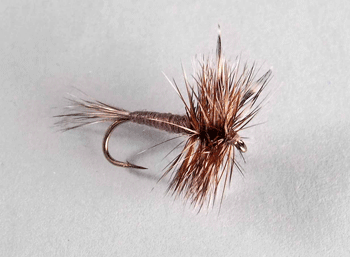
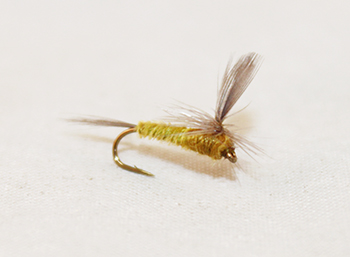
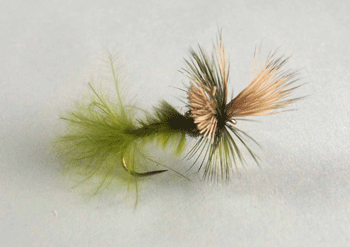
Dry fly fishing is a favorite style for many anglers, and several patterns consistently produce strikes across Colorado waters. Among the most trusted dry flies are the Parachute Adams and the Elk Hair Caddis. These two patterns show up in nearly every list of recommended flies from guides and experienced anglers. The Parachute Adams imitates a wide range of mayflies and works in both smooth and broken water. The Elk Hair Caddis floats well and matches the tan and olive caddis hatches found on many rivers. Other reliable dry flies include the Blue Winged Olive dun, the Goddard Caddis, and various attractor patterns like the Chubby Chernobyl. For the terrestrial season, ant and hopper patterns become go-to choices. The list of 25 best dry flies for Colorado compiled by Fly Fishing Fix includes these staples, confirming their effectiveness.
Nymphs and Emergers That Produce
Nymph fishing accounts for the majority of trout caught in Colorado, especially when fish are not rising to the surface. Patterns like the Hare’s Ear Nymph, the Copper John, and the Pheasant Tail are standard in most anglers’ boxes. These flies imitate the immature stages of mayflies, caddis, and stoneflies. Guide Tom Caprio recommends these patterns as part of his 20 essential flies for Colorado trout. Emerger patterns such as the RS2 and the Rainbow Warrior are also highly effective, particularly during a hatch when trout feed just below the surface. For winter fishing, the Orvis list highlights patterns like the Flashback Barr’s Emerger, the Juju Baetis, and the Mercury RS2. Anglers who fish tailwaters and freestone rivers often rely on a Zebra Midge or a Psycho Prince for consistent results in cold water.
Streamers and Attractors for Bigger Fish
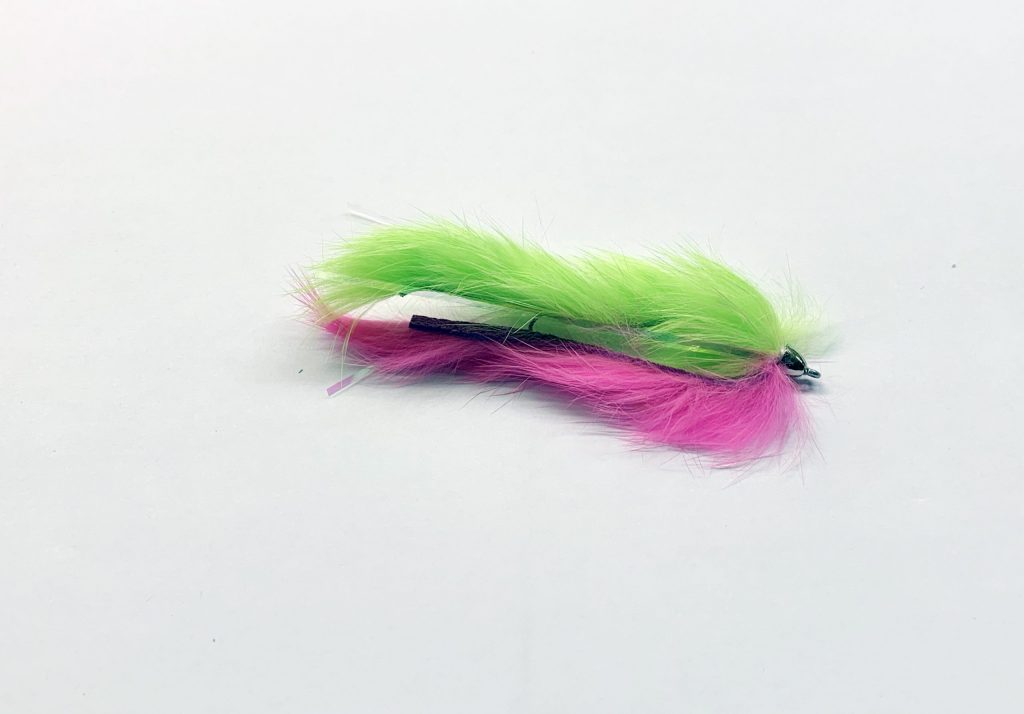
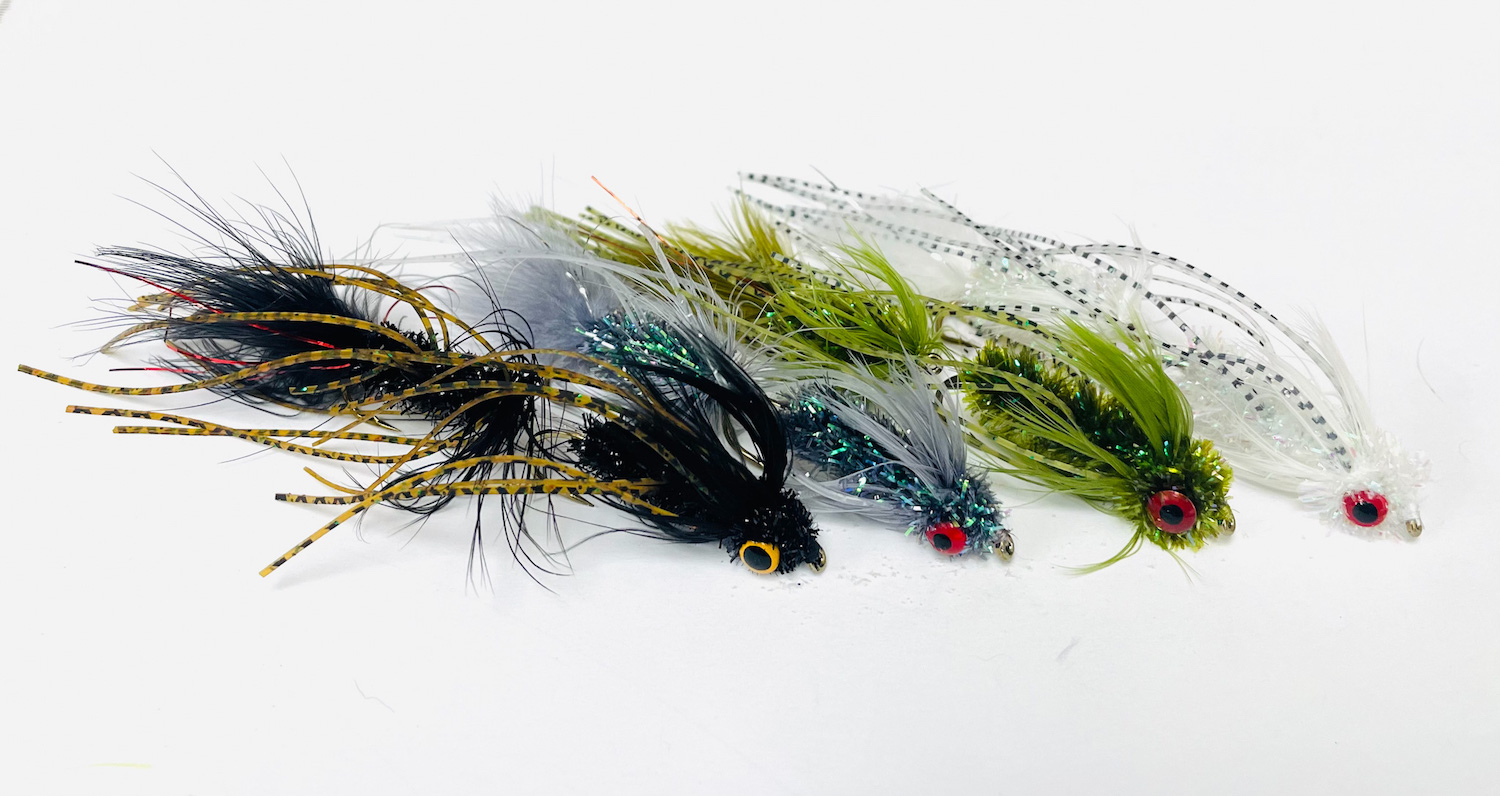
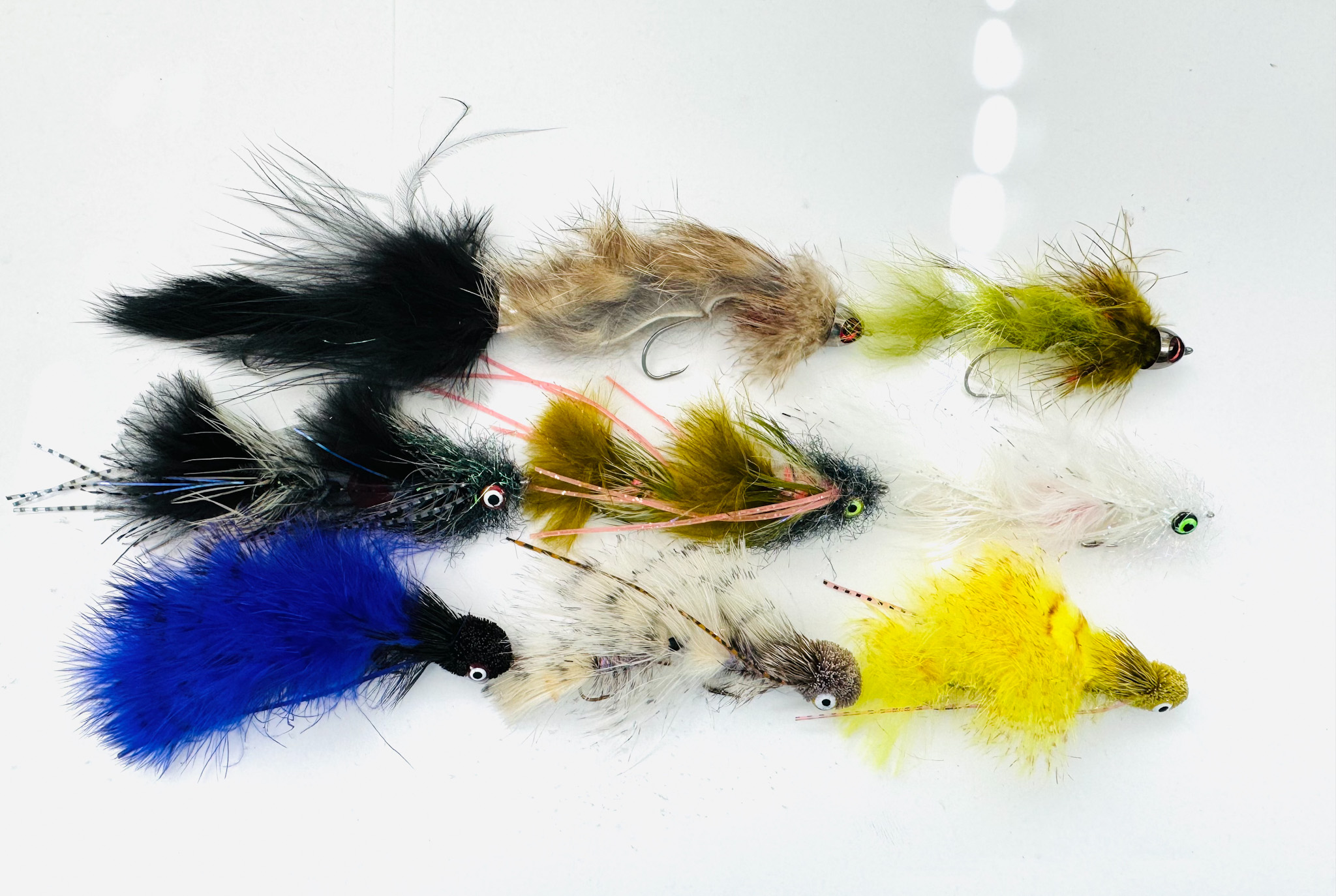
When trout are looking for a substantial meal, streamers and large attractor patterns can trigger aggressive strikes. The Woolly Bugger is one of the most versatile and effective streamer patterns for Colorado. It imitates leeches, sculpins, and baitfish, and it works in both stillwater and moving water. The Chubby Chernobyl, often tied as a dry fly, also functions as a high-floating attractor that draws fish from a distance. The 2011 list from Colorado Outdoors Magazine and the 2018 list from 5280 Angler both include the Woolly Bugger, showing that this pattern has remained essential for more than a decade. Other proven attractors include the Pat’s Rubberlegs, which mimics a stonefly nymph, and the Goddard Caddis for surface action. These patterns are especially useful on larger rivers, where trout have plenty of food.
Seasonal Selection Tips
Choosing the right fly for the season can improve your success on Colorado water. Early season fishing focuses heavily on Midges and Blue Winged Olives, as these are the first active insects after winter. Small nymphs, such as the Zebra Midge and RS2, in sizes 18 to 22 work well. As water warms, Caddis and Stonefly patterns become more important. The summer months bring Terrestrials like ants and hoppers, which can be fished dry or as droppers. Fall is a prime time for Tricos, attracting selective fish that require smaller imitations. Winter fishing often centers on stonefly nymphs such as Pat’s Rubberlegs and midge emergers like the Mercury RS2. Following these seasonal shifts helps narrow your fly selection rather than carrying every available pattern.
Where to Find Quality Colorado Fly Fishing Flies
Having the right patterns is only half the equation. Quality matters, and flies that are well tied hold up better against the teeth of trout and the rocks of Colorado’s rivers. Hill’s Discount Flies, based in Avon, Colorado, offers a wide selection of discount flies that match the patterns used by local anglers. The company has relationships with tiers that span more than 20 years, which means each fly is built with care and consistency. In addition, Hill’s Discount Flies partners with Eagle River Outfitter, a respected local guide service, to ensure the flies sold reflect a real on-the-water experience. Whether you need dry flies, nymphs, streamers, or prepackaged assortments for Colorado or Alaska, the inventory is designed for anglers who want good value without sacrificing quality. You can browse their selection and build a box that is ready for your next trip to the Eagle River, the Colorado River, or any of the state’s many fisheries.
Frequently Asked Questions
What is the most versatile dry fly for Colorado?
The Parachute Adams is the most versatile dry fly for Colorado waters. It imitates a variety of mayflies and works in most conditions. This pattern appears in nearly every list from guides and publications, including those from 5280 Angler and Fly Fishing Fix. Keep a few in sizes 14-18.
What are the best nymphs for winter fishing in Colorado?
Winter nymph fishing in Colorado demands small, dark patterns. The Zebra Midge, Mercury RS2, and Flashback Barr’s Emerger are top choices. Stonefly imitations like Pat’s Rubberlegs and the Psycho Prince also produce when fish are feeding near the bottom. These patterns are highlighted in Orvis’s winter fly recommendations.
Do I need to match the hatch exactly in Colorado?
Matching the hatch helps, but it is not always necessary. Attractor patterns like the Elk Hair Caddis or the Parachute Adams can fool fish even when no specific hatch is occurring. However, during selective feeding events like a Trico fall, matching size and color becomes more important.
Are there flies that work statewide in Colorado?
Yes. The Woolly Bugger, Hare’s Ear Nymph, Copper John, and Parachute Adams have proven effective across Colorado’s rivers and lakes. These patterns have appeared in recommendations from sources ranging from Colorado Outdoors Magazine to the Orvis winter list, demonstrating their reliability across the Front Range and the Western Slope.
What size flies should I carry for Colorado trout?
Size 14 to 18 covers most situations, but smaller sizes 20 to 22 are essential for midge and Trico hatches. Larger stonefly nymphs in sizes 6 to 10 are useful in spring and on rivers like the Colorado. A range from size 6 to 22 ensures you are prepared for whatever the fish are eating.
Building a well-rounded fly box for Colorado fly fishing means choosing patterns that have stood the test of time across different seasons and waters. Parachute Adams, Elk Hair Caddis, Hare’s Ear Nymph, Copper John, Woolly Bugger, and a selection of midge and stonefly patterns will cover most days on the river. Whether you are wading a freestone stream or fishing a tailwater below a dam, these flies give you a solid foundation. Hill’s Discount Flies, based in Avon, Colorado, stocks many of these essential patterns at affordable prices, and their partnership with Eagle River Outfitter helps connect anglers with local expertise. Stock your box, hit the water, and enjoy the trout fishing that makes Colorado one of the best destinations in the country.