
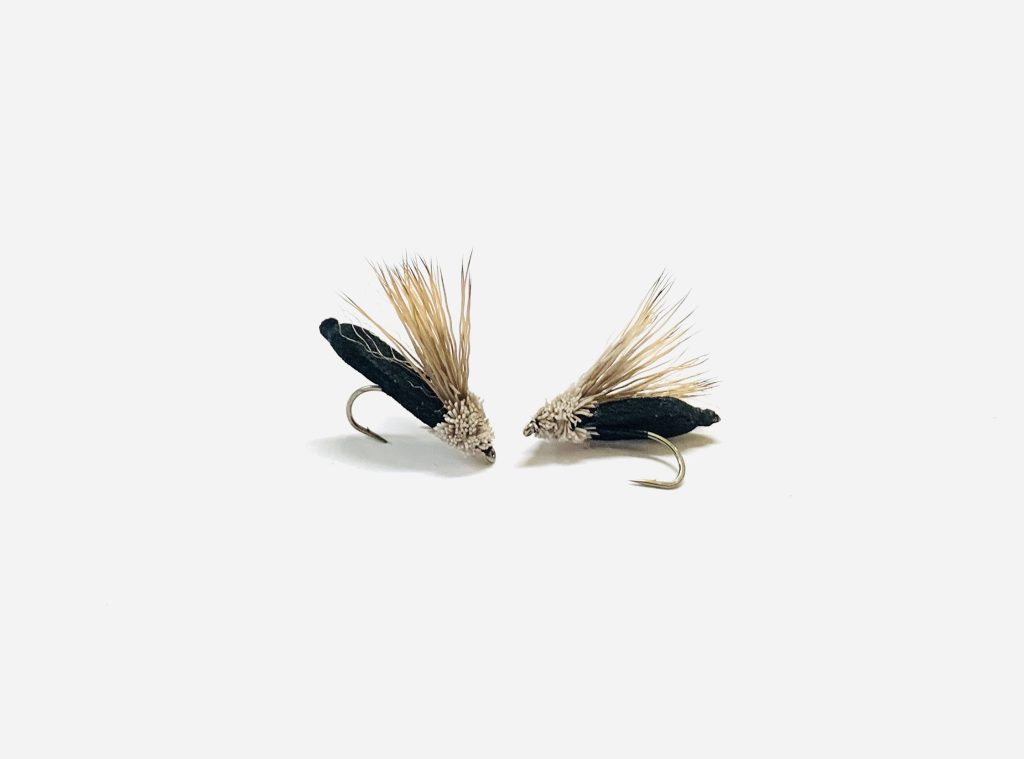
Caddis: In General
The top of the trout food chain in plenty of rivers is thanks to our little aquatic moth lookin’ friend, the caddis. Caddis are tolerant macroinvertebrates found in rivers and lakes worldwide and provide an ample food source for many fish species. These bugs are tolerant of warmer waters, calmer flows, and “less-clean” waterways. Caddis come in a variety of sizes and colors and can be found year-round in the right places. Even when the adults aren’t active, the many types of nymphs/larvae (free-swimming, clinging, net-building) keep underwater bellies full and eyes ever watching. These delightful little bugs can be stationary underwater, actively swimming/emerging, or clumsily flying around the riverbank or dabbing the surface to deposit eggs. With such importance in a trout’s diet, there should be caddis of all stages jumping out of your box to be used. Here is how you identify the different life stages, how to imitate that stage with flies, and what flies to use!
The number of caddis species in the US alone is over 1,000, so you’ll have some choosing to do! The first step is to decide how they want to eat the caddis on the menu. The lifecycle of “Tricoptera” involves a complete metamorphosis, which means they have four stages to their life – egg, larva, pupa, and adult. Insects like mayflies and stoneflies don’t pupate, so this adds an extra opportunity to the caddis section of your fly box (or your caddis fly box if you’re a real “G”).
Though fly fishermen don’t have hooks small enough to imitate a caddis egg, we have come up with some really great patterns to imitate the different caddis larvae mentioned in the opening paragraph – free-swimming, clinging, and net-building. These colorful little grubs are riding the current, clinging to rocks, limbs, and river debris, or devising homes for themselves from gravel, decomposing leaves, stones, or anything else their spider-like filaments can weave together to protect them in the fast waters and from hungry predators. The larva can vary in color and size, but all have a distinctive, slender, segmented body and a dark head with 6 legs near the abdomen. Think of a tiny aquatic caterpillar (with a similar life cycle, too!). Luckily, there are artificial patterns to imitate each variety and can be fished at a variety of depths – heavily weighted or completely weight-free.
After a solid year, sometimes two, caddis larvae begin to change and pupate. Whether it’s time, water temperatures, flows, or a mix of many reasons, caddis continue the process of becoming adults and enter the pupa stage. Thanks to millions of years of evolution, this vital stage in their life is essential for them to reach the surface, become adults, mate, and continue the cycle. While pupating in their self-made homes, caddis come out ready to swim to the surface with a little help and buoyancy from air stuck between their body surface and a pupa membrane. This stage is sometimes overlooked by fly fishermen because the activity isn’t always obvious to the human eye, as it takes place sub-surface, but can make or break a day’s fishing if overlooked. Though some can be great swimmers, especially lake caddis species, this is one of the most vulnerable times in a caddis’ life, and a wonderful opportunity for a hungry trout. Caddis pupa patterns can be fished heavily weighted, stripped or swung under water, weightless in the current, and even as dry flies imitating crippled pupa stuck below or on the surface.
The grand finale takes place on the water’s surface as adults buzz around looking for a mate, breed and deposit eggs back on the water, and/or die. As good as they are swimmers, they are poor as fliers and cover ground sporadically, dipping and turning and making their way. Not nearly as graceful as their fellow macroinvertebrate, the mayfly. They should be easy to spot flying above the water’s surface if the adults are active on your local river or lake. They can also be found in groups clinging to the shady sides of rocks or filling the tree limbs on and above the riverbanks. A quick shake of the limb should create a buggy commotion of moth-like bugs resting after pupation and before mating. Caddis adults are most commonly fished on the water surface, but drowned adults can take more wary (bigger) fish that feel safer sipping below the splash line.
Caddis are an integral part of a trout’s diet and can make for exciting days on the water. June caddis in the Rocky Mountains kick off a fun Summer season and feed hungry trout, exhausted and calorie-stricken from the Spring run-off. Notable caddis hatches include the Mother’s Day Caddis and the October Caddis, but many hatches occur all Summer on most rivers, sometimes overlapping species at a time. Identify your caddis and the life-cycle they have been eaten as, and have fun making fish smarter during your local river’s caddis hatch!