About Trout
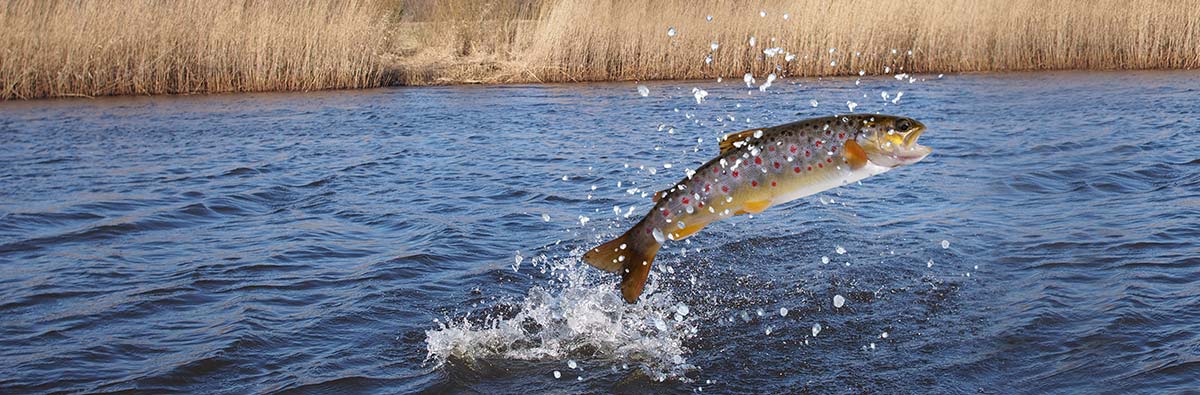
Though there are wide varieties of trout in Colorado, the most highly prized game fish may be the rainbow trout. Other freshwater lake trout commonly seen include brown and brook trout. This fish ranges in color from brown to green, with varying degrees and types of spots and a midline stripe.
Freshwater trout can range from one to six pounds, whereas steelhead trout that live in both freshwater and saltwater can reach a mass of 20 pounds. They prefer water temperatures between 50 and 60 degrees and can inhabit streams, rivers, and lakes.
In this article, we will discuss a brief overview of various fly fishing tips specifically tailored for catching trout.
Selecting The Best Fly Line For Trout
Choosing the best fly line for your situation is important. If you are fishing stillwater, you will want a floating line with a leader of 15 feet or more. We recommend keeping a variety of lines in your fishing kit, including a floating line, a clear intermediate line, and a fast-sinking type 3 line. Using strike indicators is also a useful tool to avoid missing a bite.
Sinking fly fishing lines are sold as “types” that are measured in IPS, which stands for the inches per second that the fly will sink. A type two fly line will sink approximately 2-3 inches in 1 second. Choose a line where the line doesn’t sink faster than the fly is moving through the water.
Selecting The Best Fly Rod For Trout
Fly fishing rods are classified by weight and length. A #3 fly rod with a shorter length would be useful for small streams and small trout, and is very lightweight. Selection of a fly rod for stillwater fishing will differ from a fly rod selected for rivers or streams. When fishing for stillwater trout in lakes from a boat, rods between #4 and #7, 9 or 10 ft long, are ideal. If you’re going to be fishing from a float tube, you can select a longer length rod, which will help you keep the fly off the water on the backcast.
Fly Rod Action – How much will your rod bend under load?
Fast action rods bend mostly at the tip of the rod, while the rest of the rod is more rigid. This provides a longer casting distance and some wind resistance.
Medium action rods are perhaps the most popular choice as the fly rod and will bend more than a fast action rod and less than a slow action rod. A medium action rod is a great choice for beginners and experienced anglers alike. A medium action fly rod is a great all-around choice for those who are looking for a multi-purpose fly rod.
Slow-action fly rods have the most give and are the best choice for small creeks. Slow-action poles are great at absorbing shock so that your fish and fly stay on the line. These have become less popular over the years, but still have a place in your collection.
Choosing a Fly Rod Grip – Comfort first!
We recommend trying out several grips and choosing the one that feels the best in your hand. A grip should be chosen for personal preference and comfort more than anything else, because if your hand is comfortable, you will be able to fish longer with less fatigue.
Fly Fishing Flies for Trout
The best fly fishing flies for trout include those that mimic midges, mayflies, caddis, damselflies, dragonflies, scuds, leeches, crayfish, water boatman, and backswimmers. Having a wide selection of flies that imitate a trout’s favorite food will get you the best results. Here are a few tried and true flies that have reliably caught trout for decades. Here at Hill’s, we feature our most popular discount fly fishing flies on our homepage, which is updated year-round. Take a look at our selection below and on our homepage!
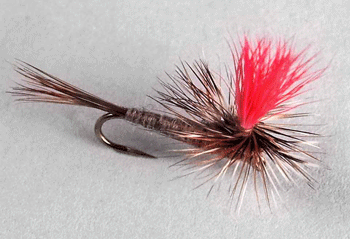
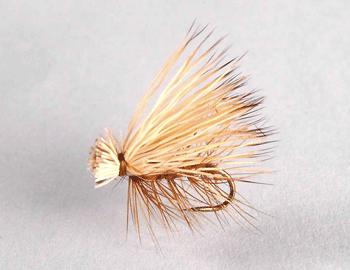
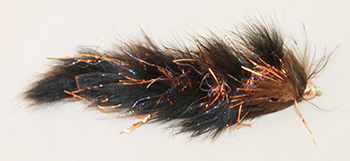
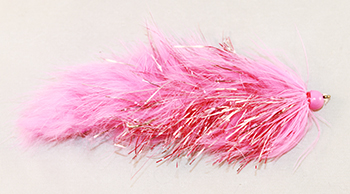
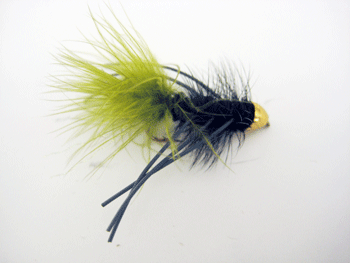
Woolly Bugger
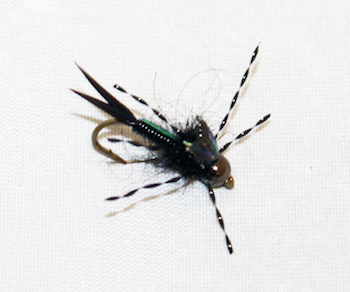
The woolly bugger is possibly one of the best all-around patterns to catch any type of fish in any stream conditions, but especially below the surface. It works as a nymph, a streamer, and an attractor. This pattern is a must-have in any fly kit.
Bunny Leech
Instead of using a woolly bugger, the better choice for trout-specific fishing is the Bunny Leech. The rabbit fur adds visual flair to the water and an attractive movement pattern. You’ll find it visually appealing, and so will the trout.
Adams (Parachute)
The Adams fly is a great general-purpose dry fly that trout find particularly appealing (and some may even argue it is the most popular Mayfly dry ever!) Fish will go for it year-round on any lake or river surface. The Adams dry fly resembles many insects that are a large part of a trout’s diet, which makes it a requirement for a well-rounded kit.
Elk Hair Caddis
Trout love the elk hair caddis pattern when caddis flies are coming off. Where the Adams is good for catching any type of fish, the elk hair caddis fly is particularly good at fooling even the most discerning and wary trout. Use this fly by itself when you find a caddis catch coming off or behind the parachute adams to increase your odds of catching more fish when dry fly fishing.
Stonefly Nymphs
The stonefly nymph is great for fishing cooler springtime waters. Large trout especially love this fly, and many of the largest fish caught every year are caught with a nymph. Trout love to wait along shallow edges for a clumsy nymph that falls into the stream. Tumble and bounce this fly along the bottom to mimic their path after coming from the bottom of the stream to get some good takes.